


- This event has passed.
Nairobi Scientific Day 2026: POCT Excellence in Action
September 15 @ 8:00 am - 3:30 pm
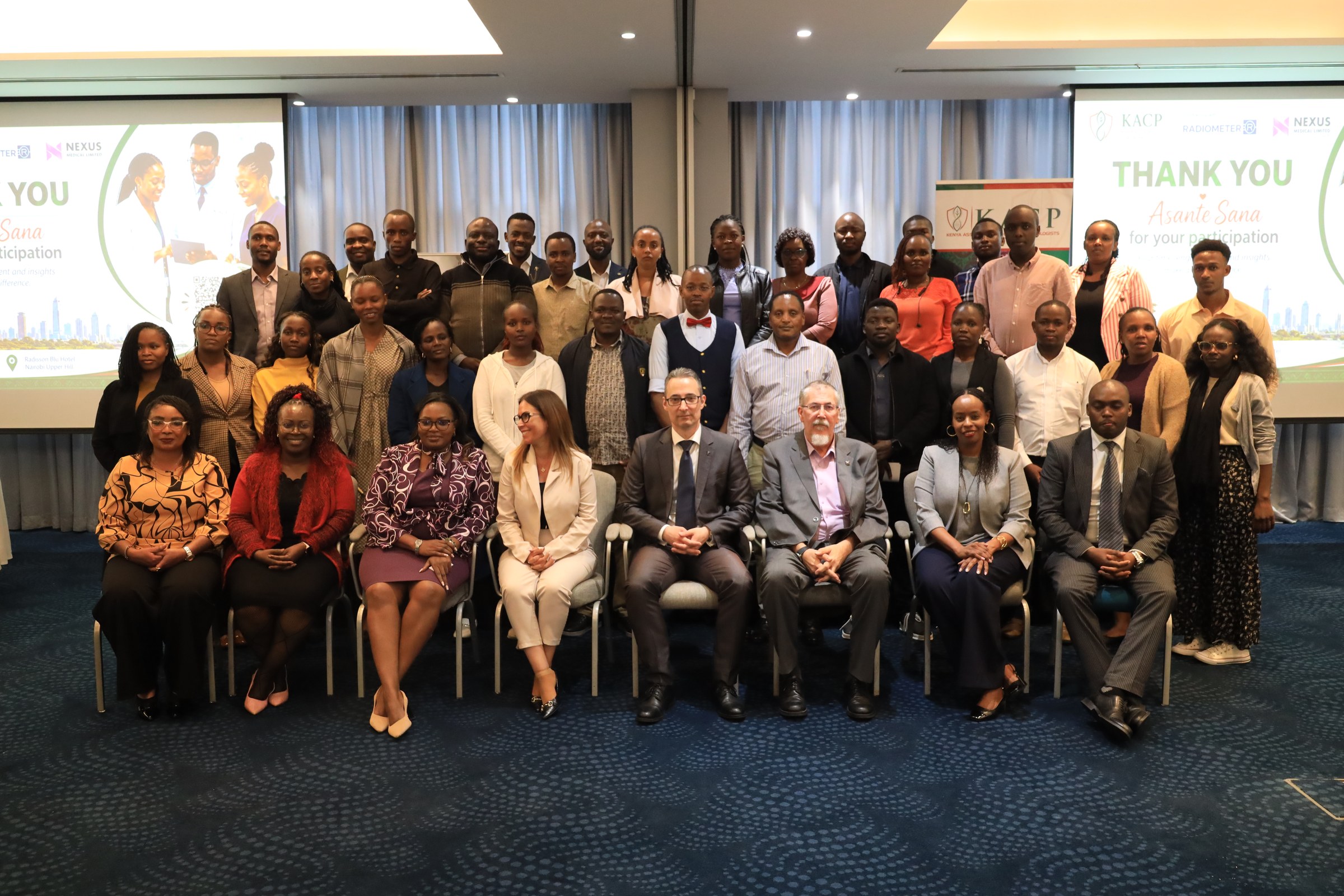
On 15 September 2026, the Kenya Association of Clinical Pathologists (KACP) brought together laboratory scientists, clinicians, POCT coordinators, and industry partners at the Radisson Blu Hotel, Upper Hill, Nairobi, for a full-day scientific forum titled POCT Excellence in Action: From Quality Systems to Clinical Impact, themed “Shaping the Future of Patient-Centered Care.”
Sponsored by Radiometer and Nexus Medical Limited, the symposium drew participants from emergency departments, intensive care units, central laboratories, and hospital quality teams across the country. Opening remarks were delivered by Dr. Cyrus Matheka, who framed the day’s ambition: to move Kenyan POCT practice from the margins of laboratory science to the centre of clinical decision-making.



Section 1. From Results to Decisions: Biomarker Testing at POCT
The morning kicked off with a session that put clinical urgency front and centre. Moderated by Dr. Cyrus Matheka, the first two presentations made a compelling case for why POCT biomarker testing is not a convenience but a necessity.
Dr. Daniel Maina opened with a frank look at the role of blood gas analysis, creatinine, and urea testing in emergency departments and chronic care settings. Drawing on real clinical cases from Kenyan hospitals, he highlighted how rapid turnaround of these parameters, minutes rather than hours, can be the difference between a well-timed intervention and a missed window. He did not shy away from the difficult truth: in many Kenyan facilities, these capabilities remain underutilised, and the gap between available technology and clinical adoption is wide. His call to action was clear: pathologists, clinicians, and hospital management must work together to close it.
Dr. Sorin Taus then took delegates through a multi-marker approach to managing Acute Coronary Syndromes (ACS), focusing on the complementary power of D-Dimer, NT-proBNP, and high-sensitivity Troponins as an immunoassay panel. His presentation underlined a key principle: no single biomarker tells the whole story, and the clinical benefit of POCT grows when markers are interpreted together, at the point of care, in real time.
Section 2. Quality Starts Before Testing: Pre-Analytical Awareness
After the mid-morning coffee break, the symposium shifted its lens from clinical application to quality foundations. Moderated by Dr. Ndaguatha of Kenyatta National Hospital, this session tackled a problem that laboratory professionals know well but rarely get a platform to discuss openly: the pre-analytical phase is where most POCT errors originate.
Jackie Ndungu presented Kenya’s real-world experience with quality failures in blood gas testing: errors in sample collection, transport delays, temperature handling, and inadequate operator training. Her delivery was grounded and practical, drawing from audits and incident reviews. The lesson was not one of alarm but of empowerment: most of these errors are preventable with structured protocols and sustained education.
James Moore followed with a systematic look at optimising blood gas testing across the entire analytical continuum, from the moment the sample is collected through to result reporting. His framework gave POCT coordinators and laboratory directors tangible checkpoints to benchmark against, and reinforced that excellence at the post-analytical stage is meaningless without rigour from the very start.
Section 3. Technology and Quality: Building POCT Programmes That Last
The afternoon session, moderated by Karine Leonian, brought a forward-looking perspective on how technology and structured programme management are reshaping POCT across Kenya and the region.
Jackie Ndungu returned to the podium to address connectivity as a quality and compliance tool. Her presentation, “From Risk to Readiness,” demonstrated how digital connectivity between point-of-care devices and central laboratory information systems strengthens audit trails, supports accreditation requirements, and reduces the risk of untraceable results, a growing concern as PO CT expands beyond laboratory walls into wards and clinics.
Samuel Ng’aaru gave a practical, step-by-step guide to setting up a successful POCT programme, from governance and device selection to staff training, quality controls, and ongoing monitoring. His message resonated with hospital administrators and quality managers in the room: the basics, done well and consistently, are the foundation of every high-performing POCT service.
Nduku Ndunda rounded out the formal presentations with a vision of where POCT is heading: a new era in which devices are fully integrated into electronic health records, where results feed directly into clinical decision-support systems, and where the boundary between the laboratory and the bedside effectively disappears. Her presentation, “Bridging Devices, Transforming Care,” was both a technological overview and an invitation to think bigger about what POCT can achieve.
Panel Discussion
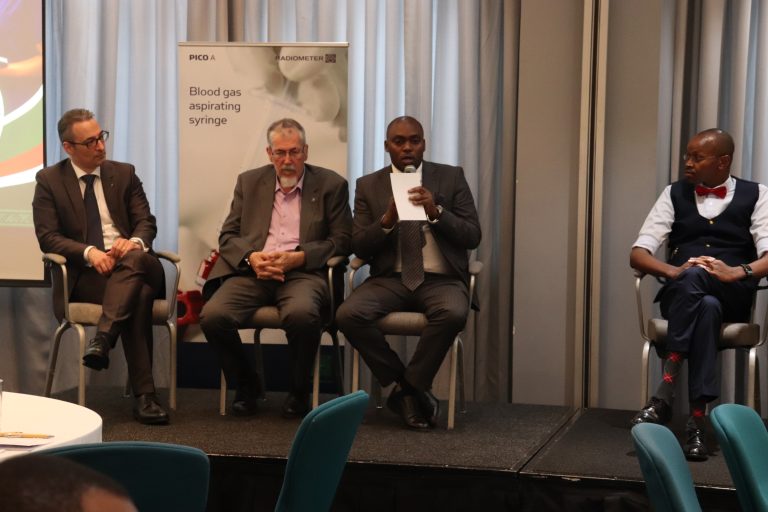
The symposium culminated in a 45-minute panel discussion moderated by Nduku Ndunda, with panellists Dr. Daniel Maina, Dr. Sorin Taus, Jackie Ndungu, Samuel Ng’aaru, James Moore, and Dr. Cyrus Matheka fielding questions from the floor. Discussion ranged from the practicalities of sustaining POCT quality in resource-constrained settings, to the regulatory landscape for POCT devices in Kenya, to how hospitals can make the business case for investment in connectivity infrastructure. The exchange was candid, experienced and, by the room’s energy, long overdue.
Dr. Cyrus Matheka closed the day with key takeaways, noting that Kenya’s POCT community is at an inflection point: the science, the technology, and the clinical evidence are all aligned. What is needed now is coordinated action, stronger professional networks, and a shared commitment to quality that begins at the pre-analytical step and extends all the way to the patient outcome.
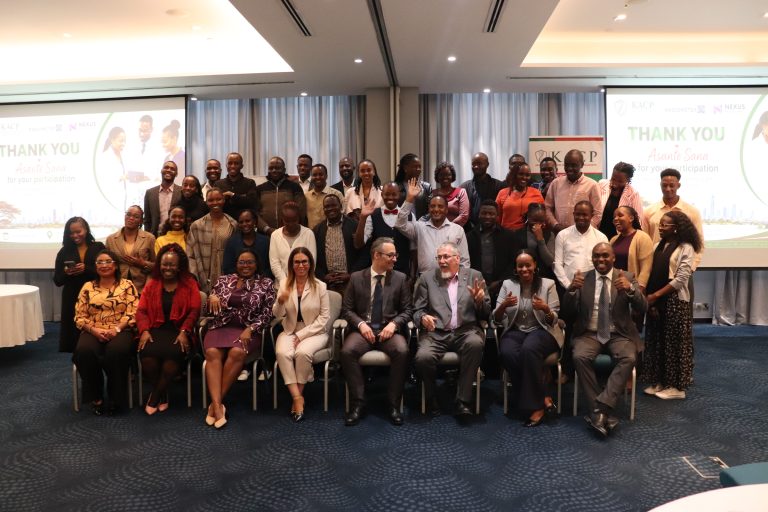
KACP thanks Radiometer and Nexus Medical Limited for sponsoring the symposium, and all speakers, panellists, moderators, and delegates for their contributions to a productive and inspiring day.
More moments from the day
Select any photo to view it larger.

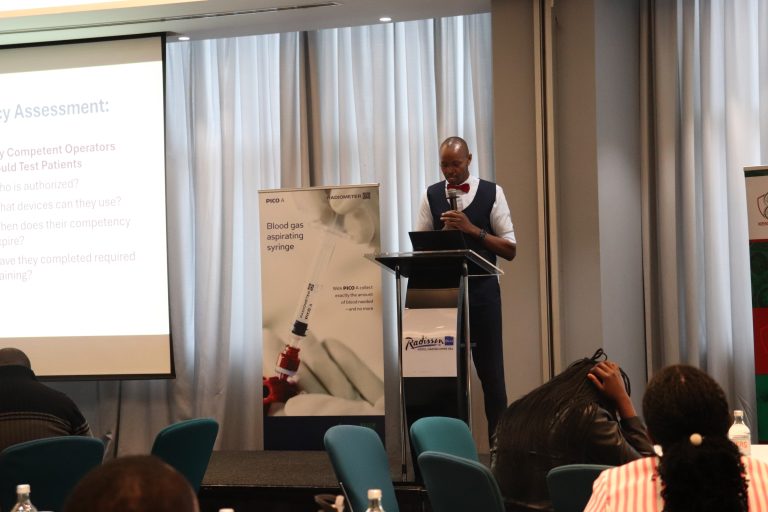
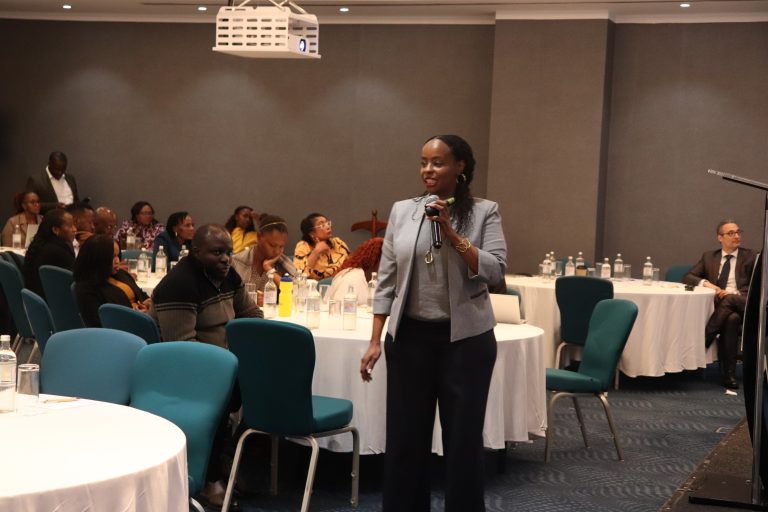


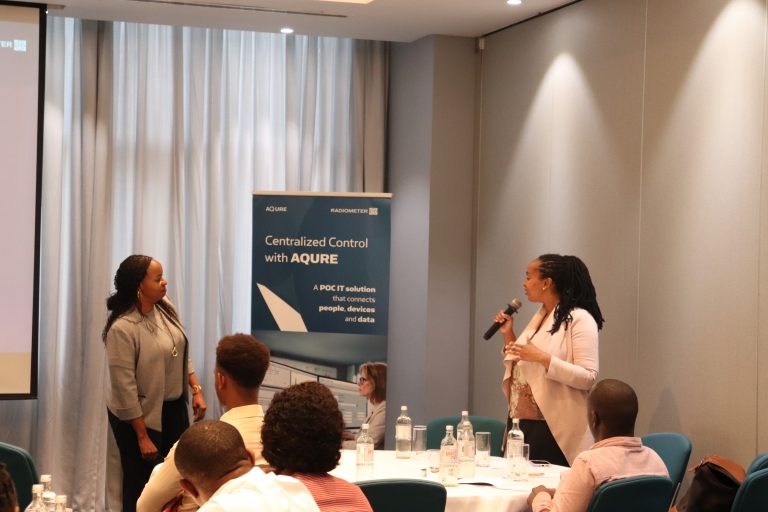

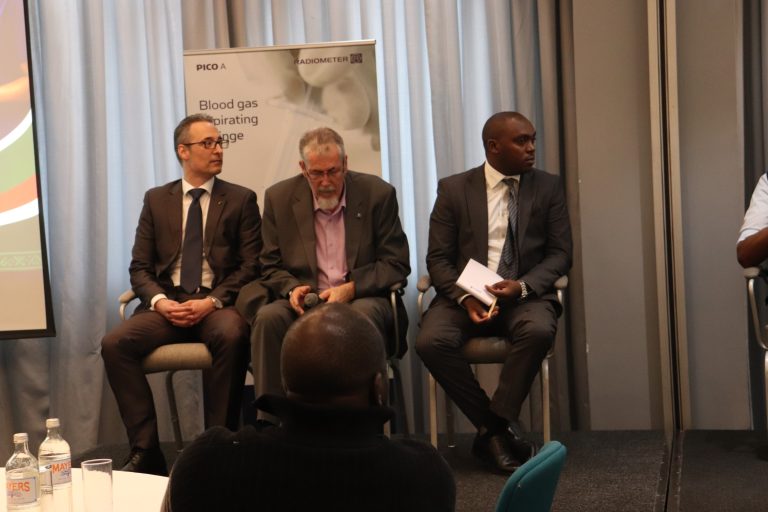

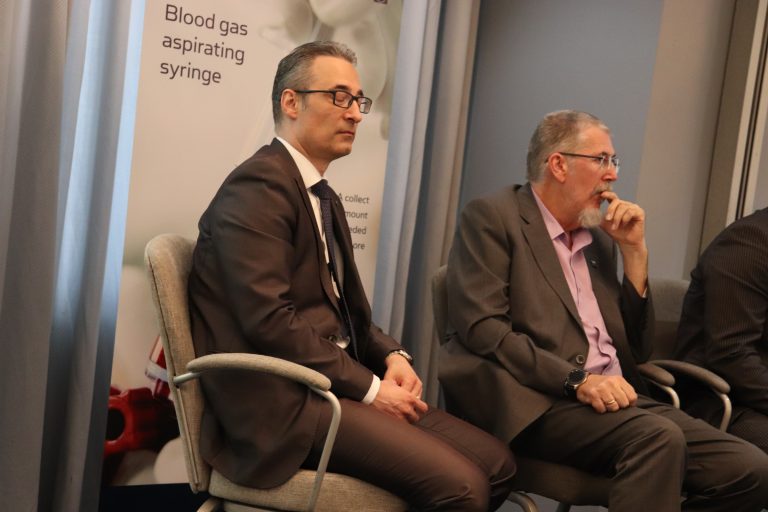
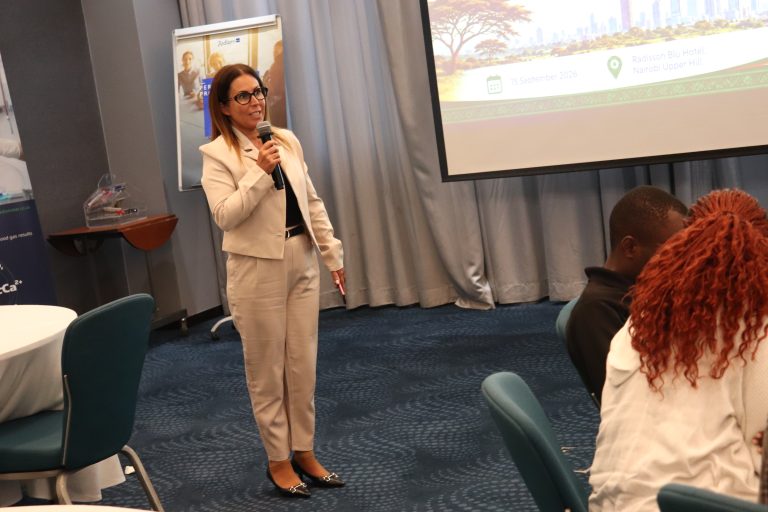
 Panel discussion at Nairobi Scientific Day 2026 (1 of 8)‹›×
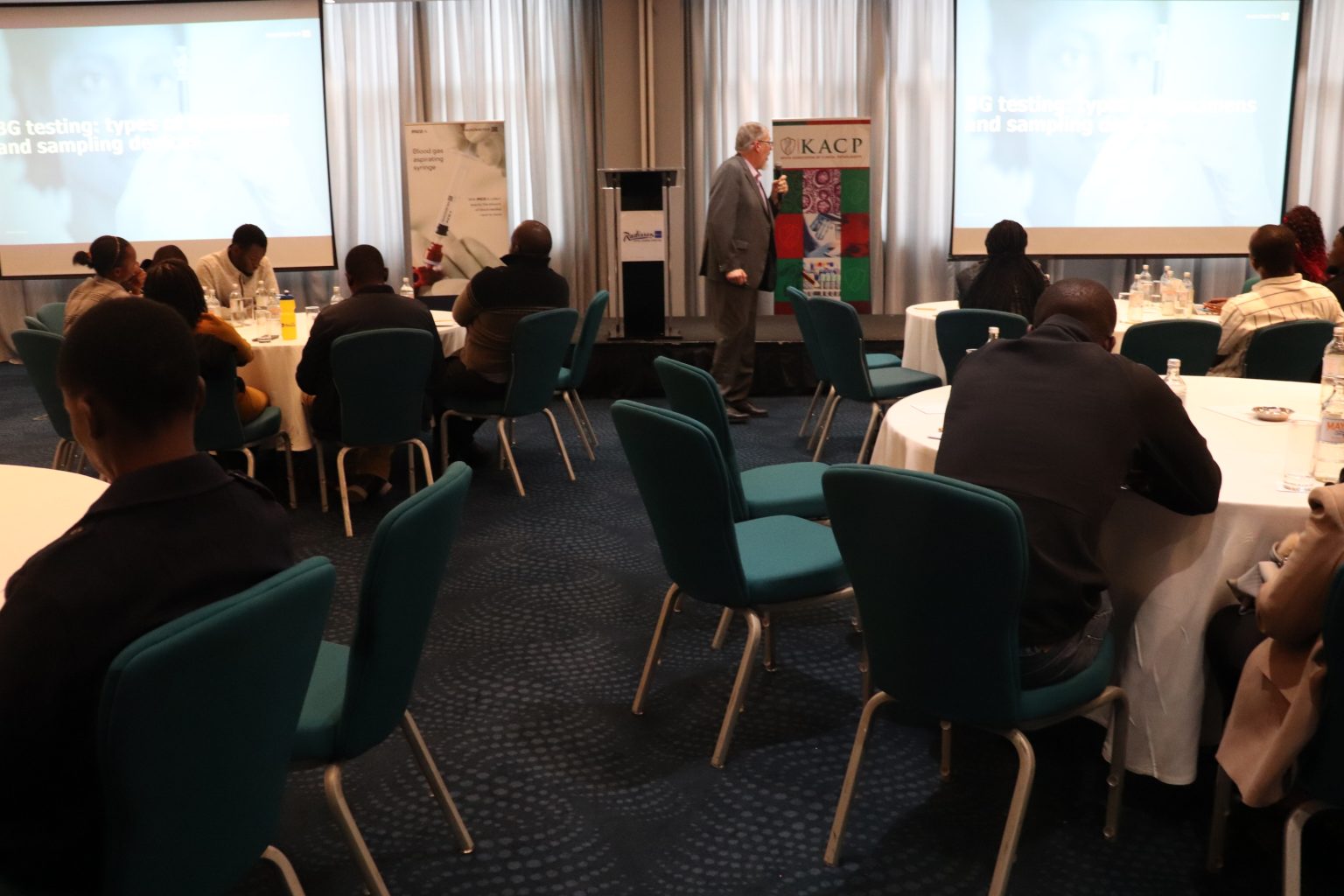 Opening session (2 of 8)‹›×
 Delegates at Nairobi Scientific Day 2026 (3 of 8)‹›×
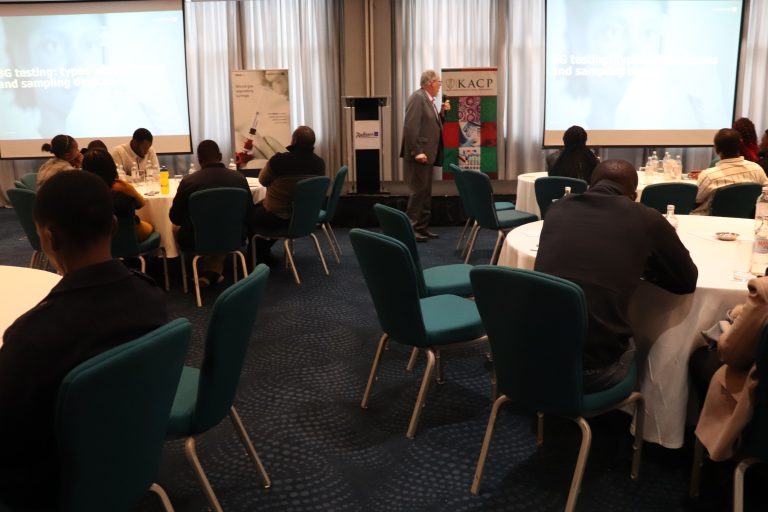
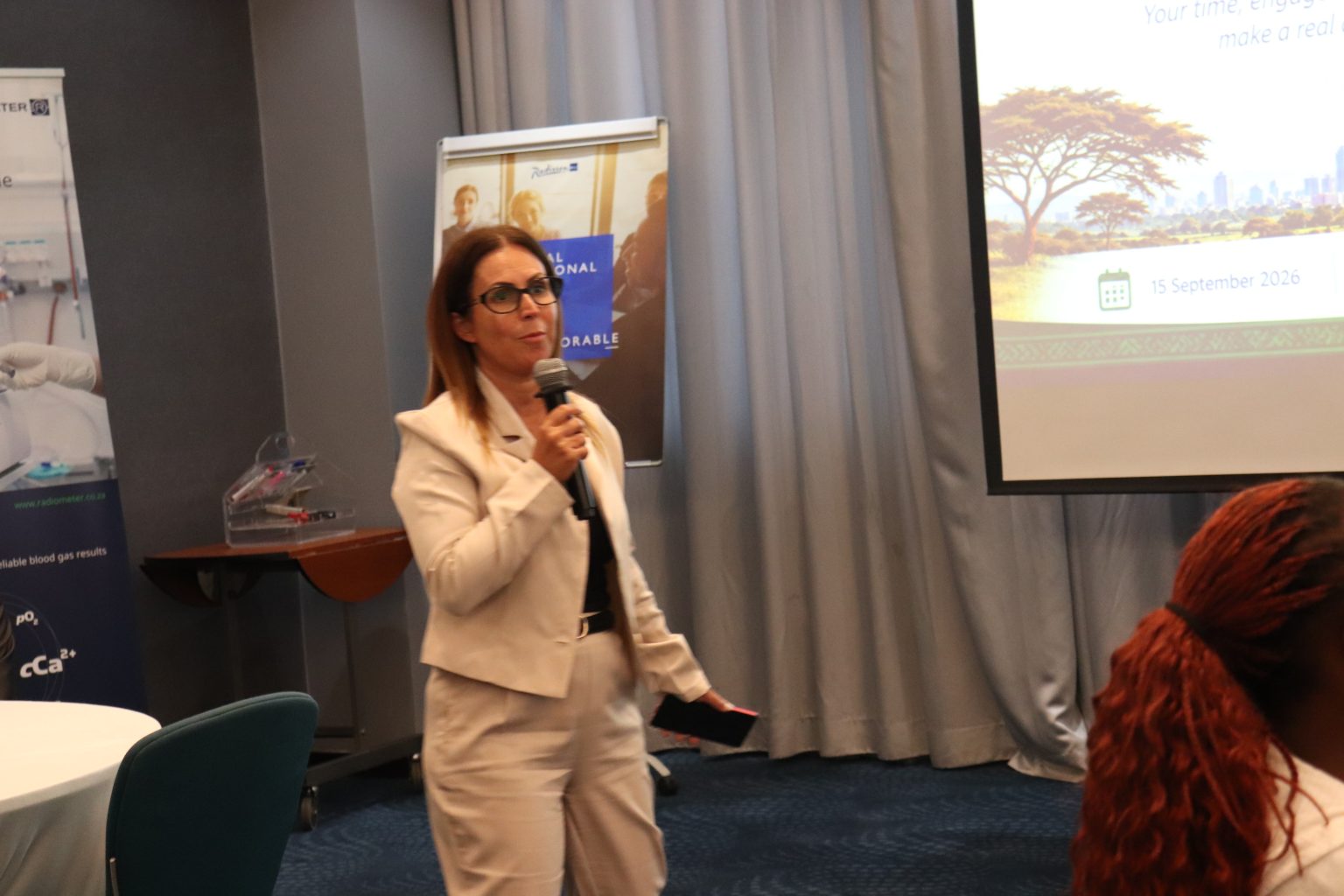 A speaker presenting to delegates (4 of 8)‹›×
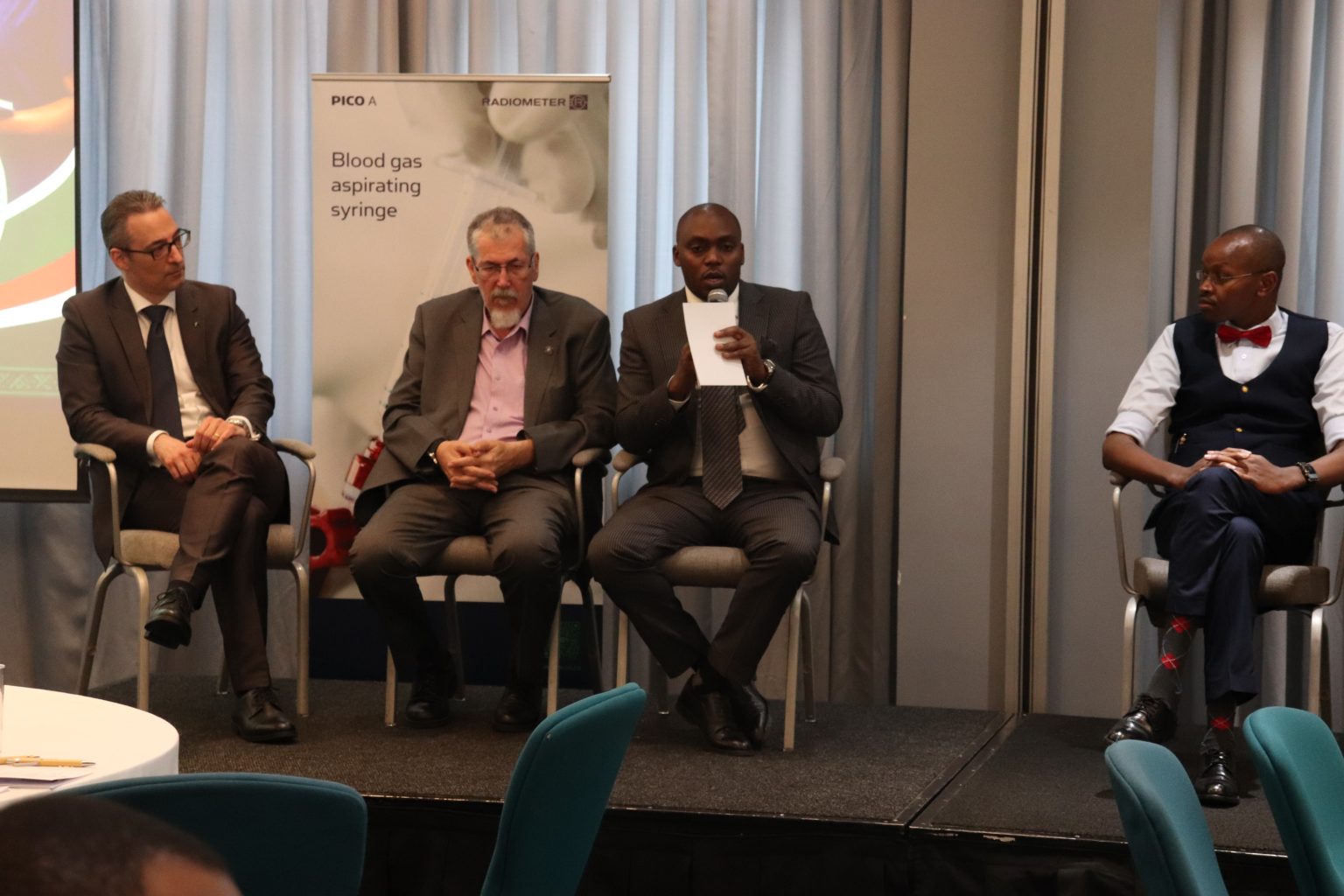 Panellists in discussion (5 of 8)‹›×
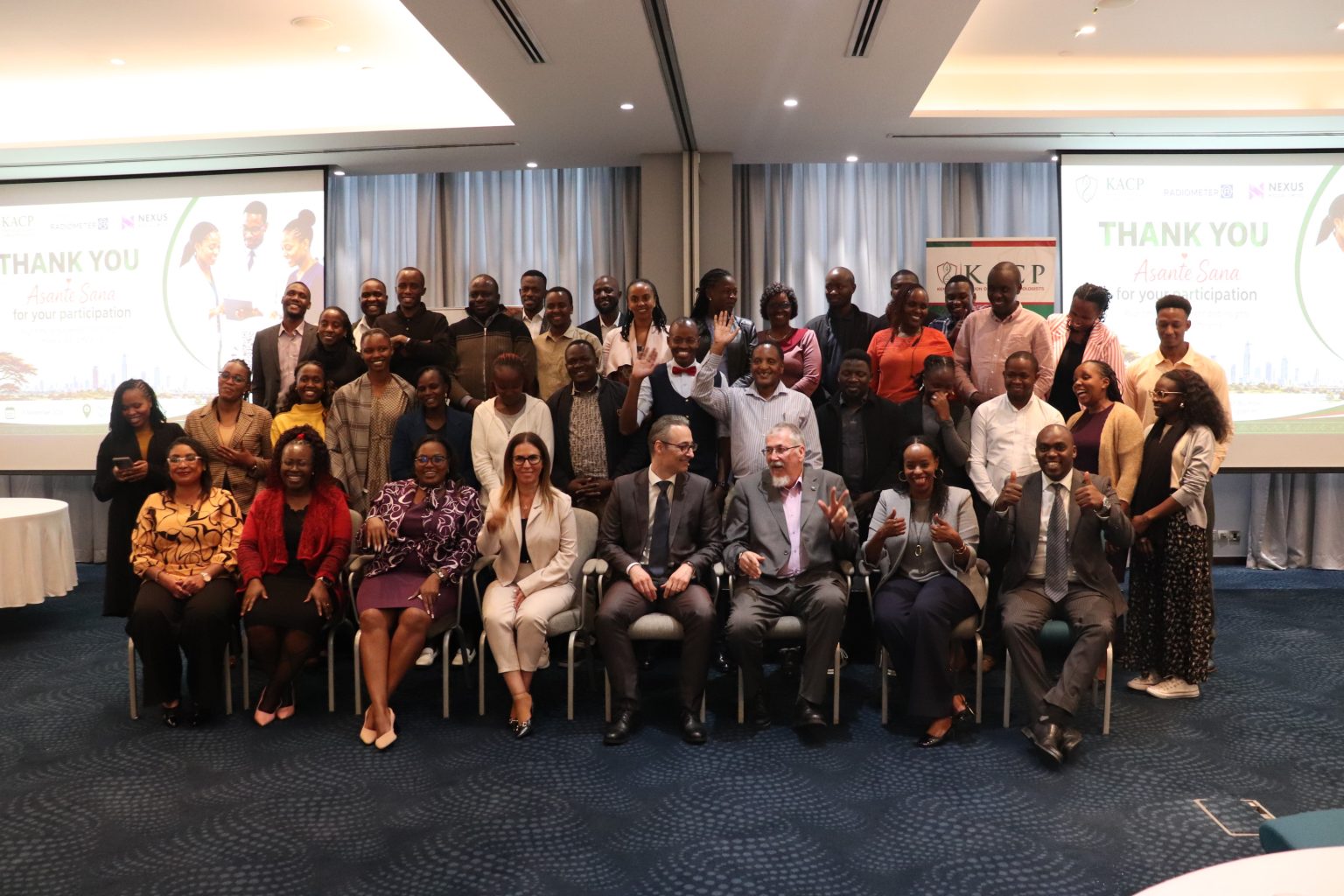 Group photograph of delegates, speakers and partners (6 of 8)‹›×
 Networking over refreshments (7 of 8)‹›×
 Delegates at an exhibitor display (8 of 8)‹›×
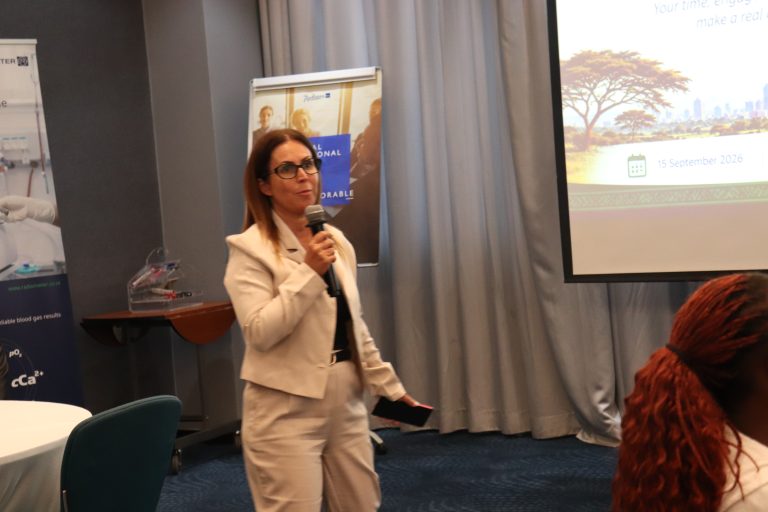
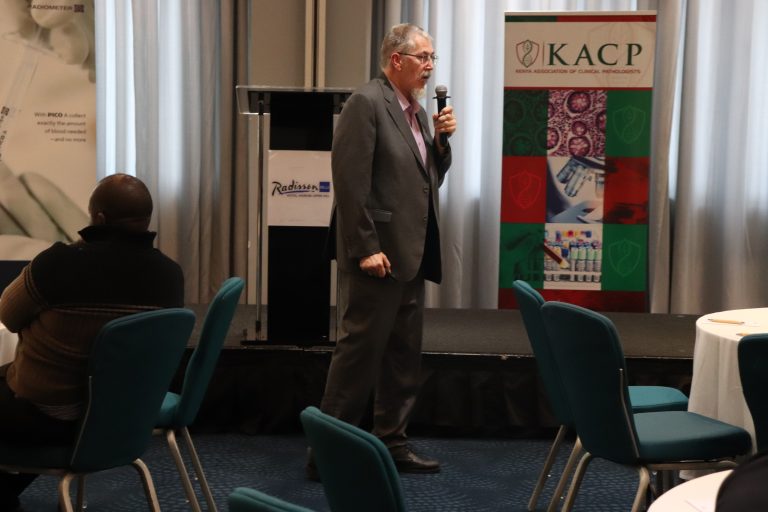
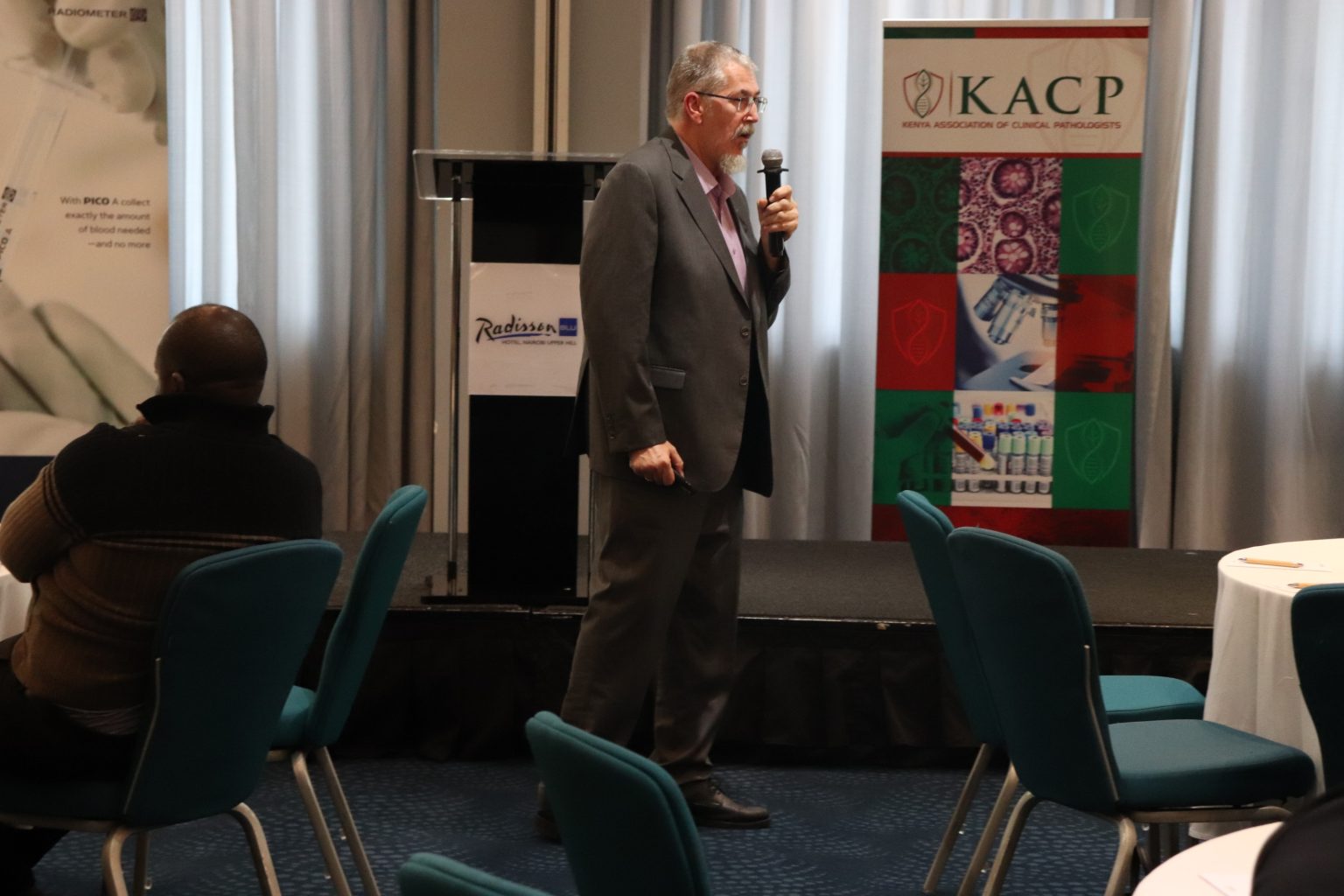 A speaker addresses delegates beside the KACP banner (1 of 16)‹›×
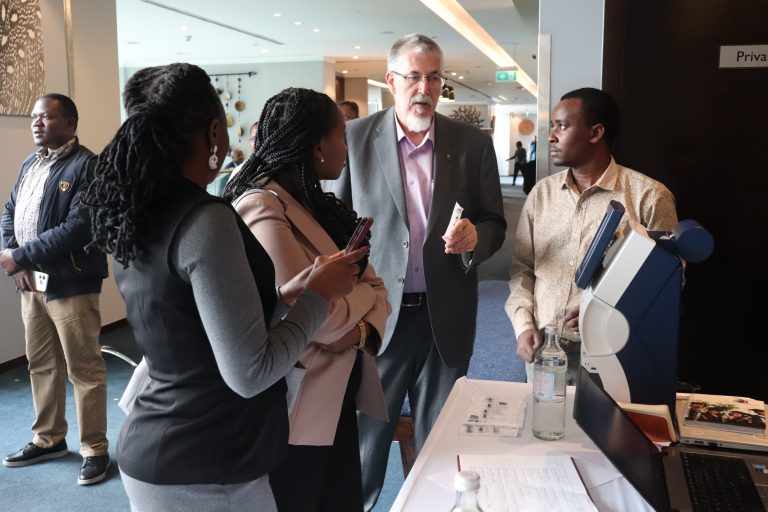
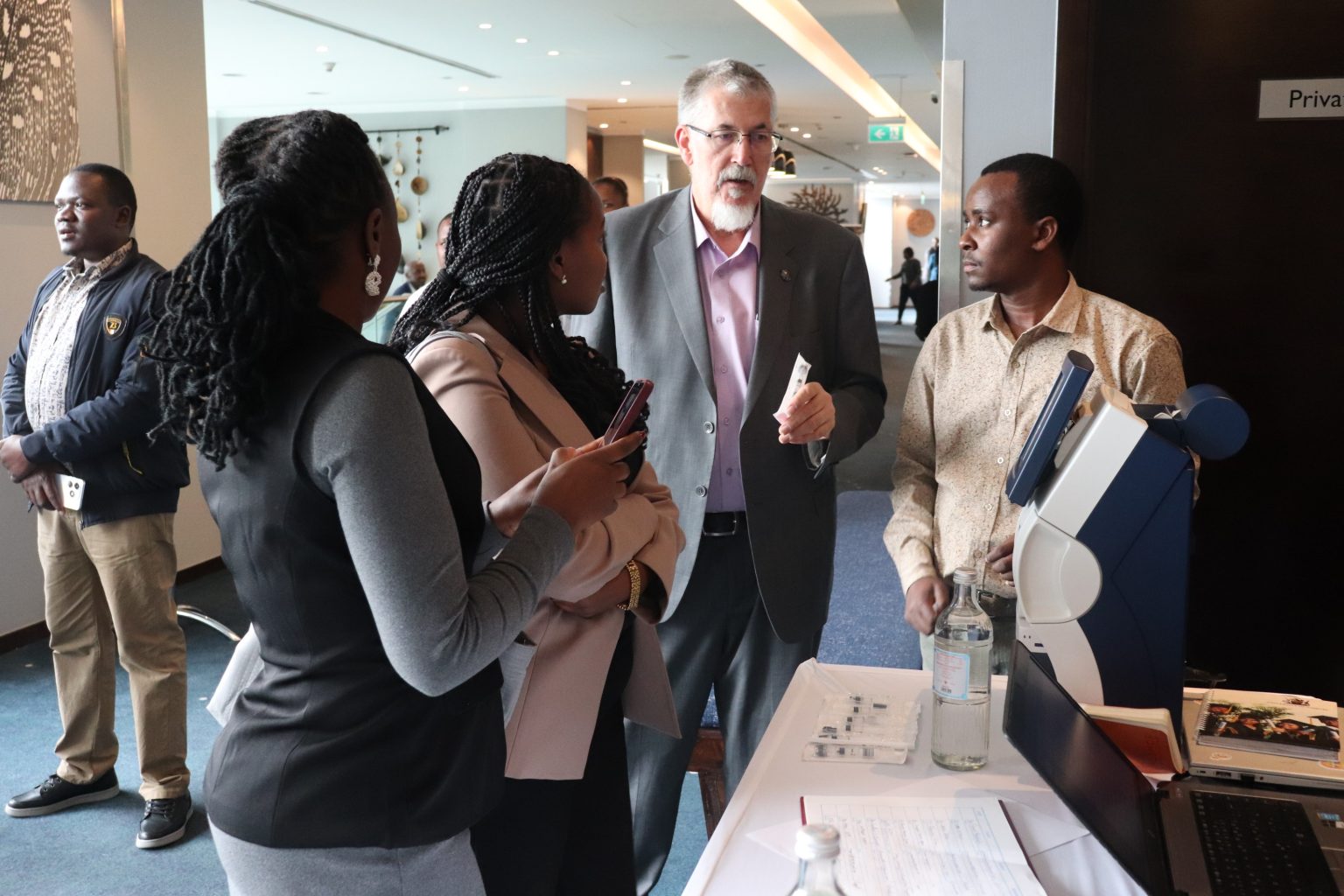 Delegates in conversation with an exhibitor at a point of care testing display (2 of 16)‹›×
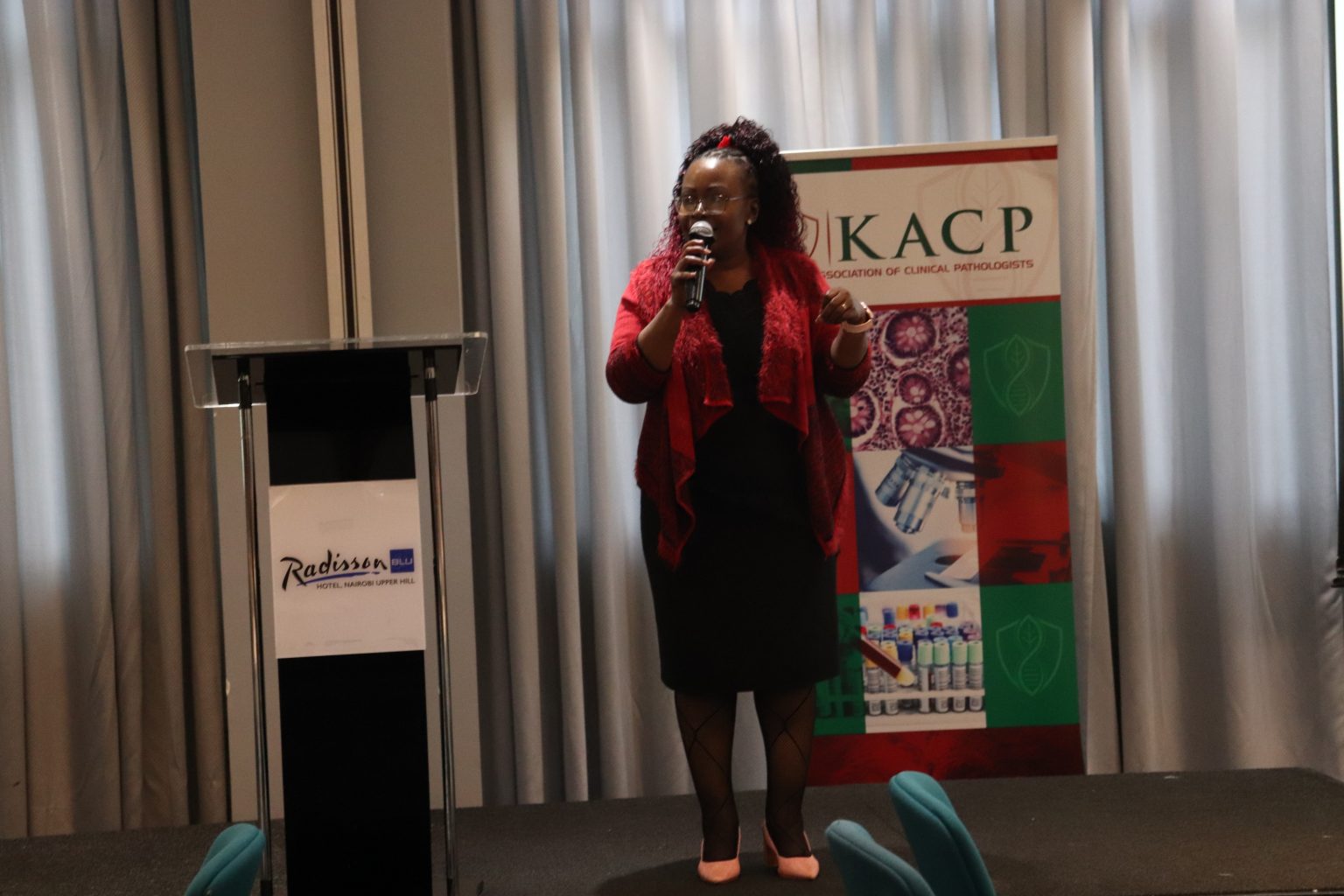 A speaker presents from the front of the room (3 of 16)‹›×
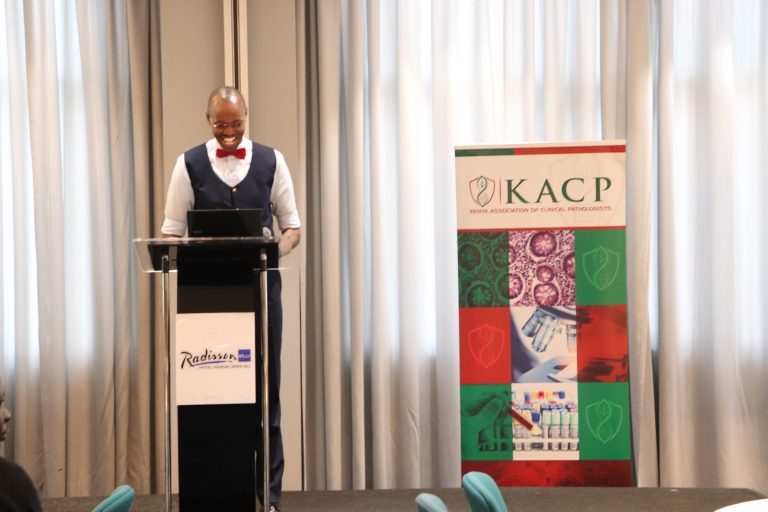
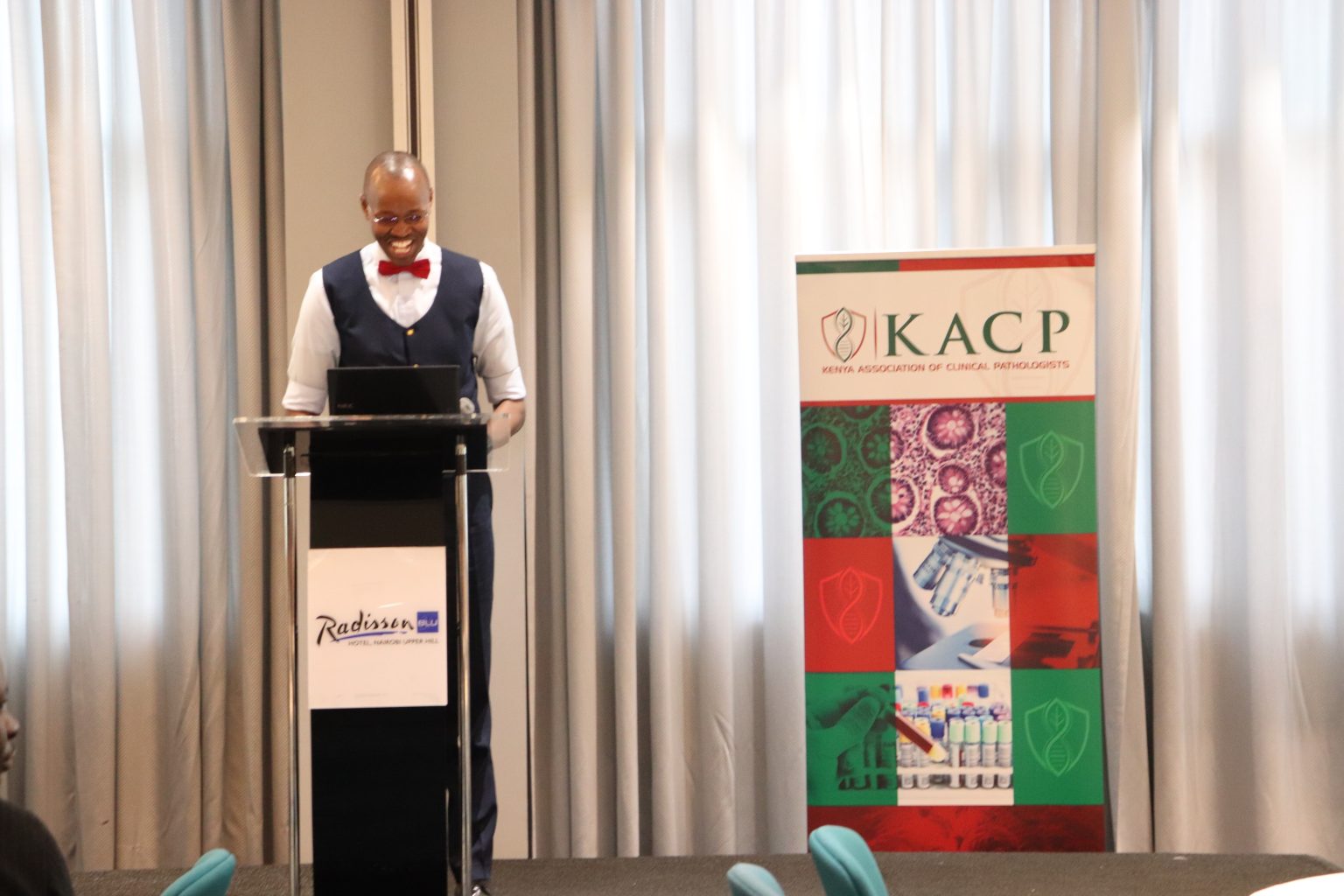 A presenter at the podium (4 of 16)‹›×
 Delegates during an interactive session (5 of 16)‹›×
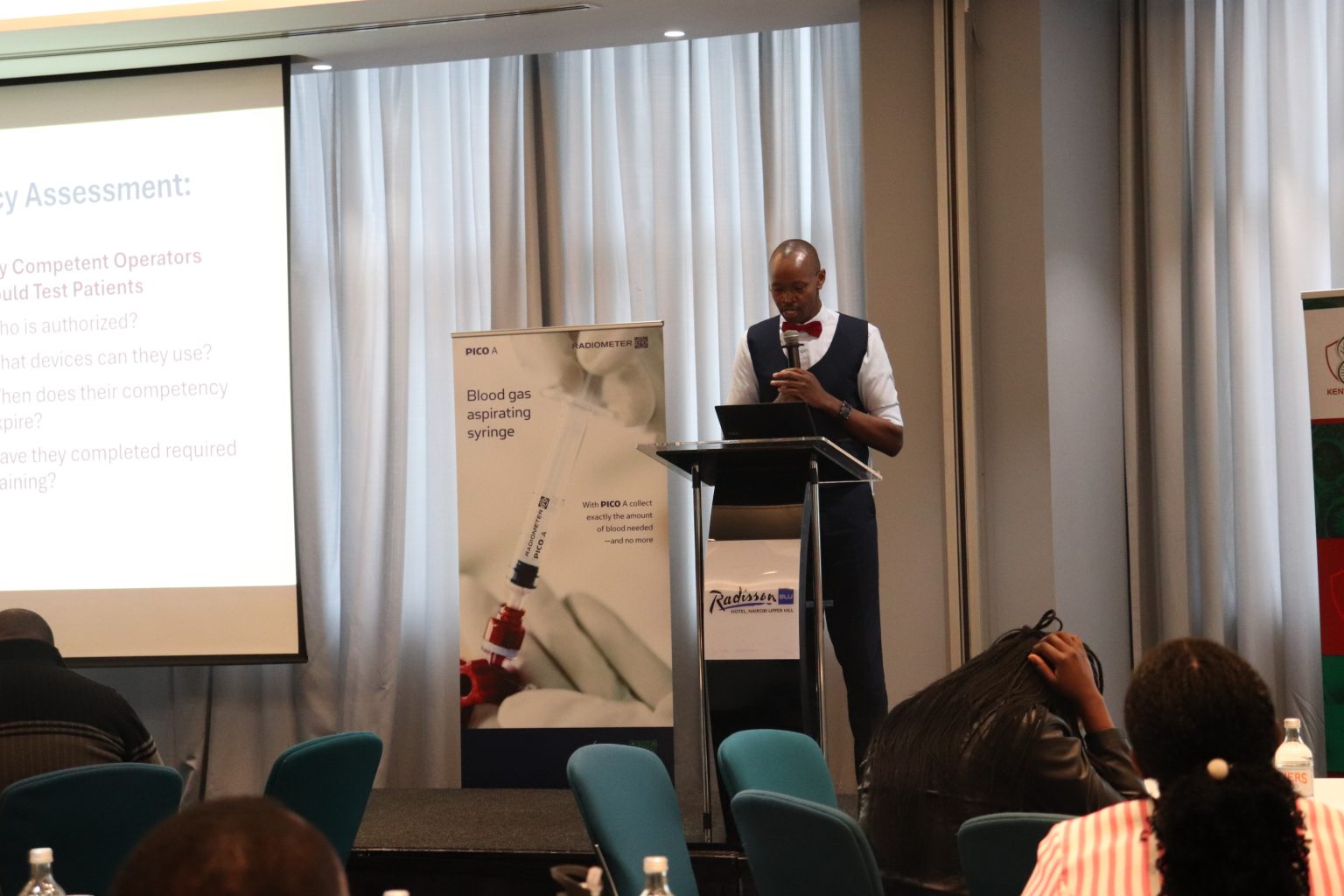 A presenter takes delegates through a slide (6 of 16)‹›×
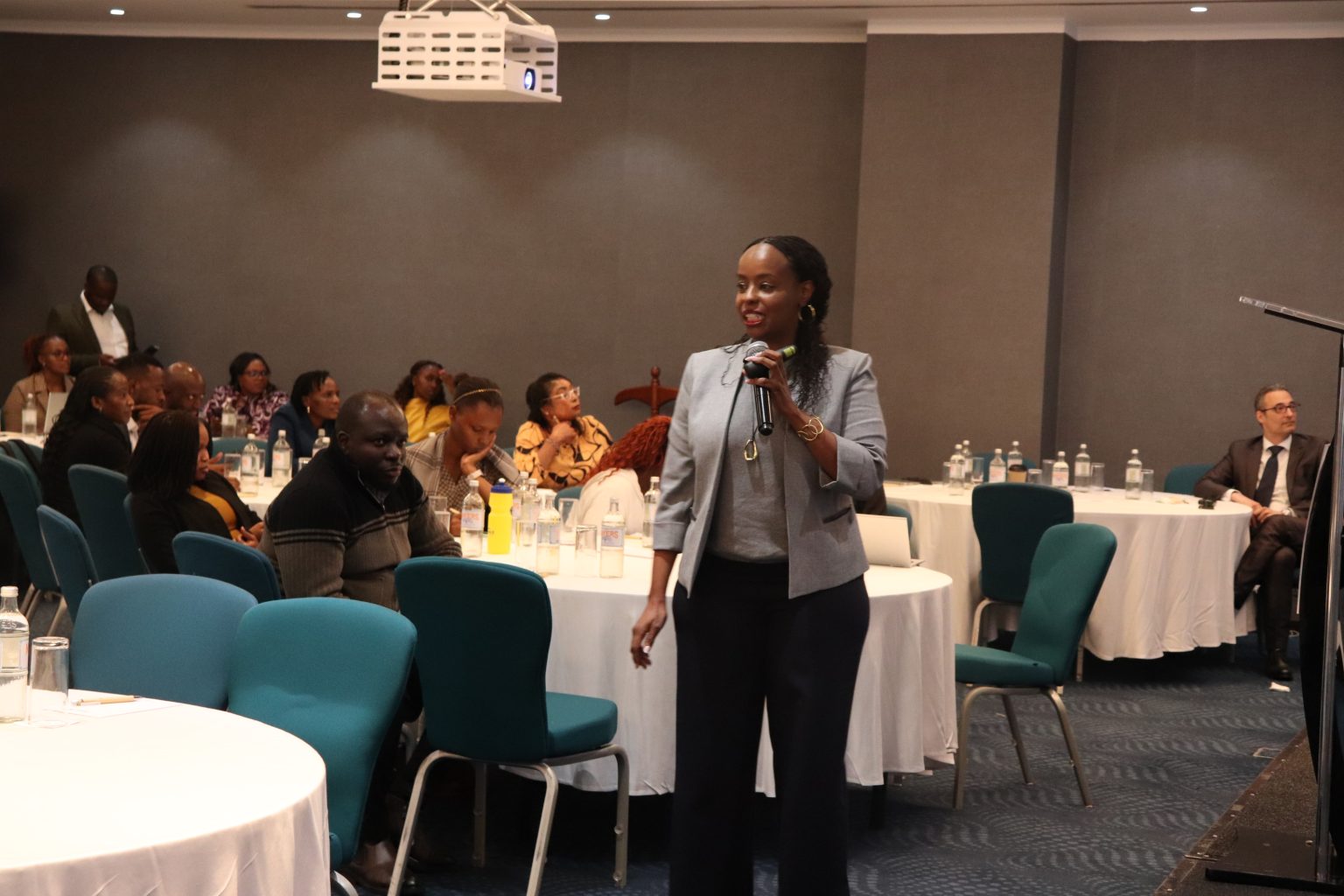 A delegate puts a question to the speakers (7 of 16)‹›×
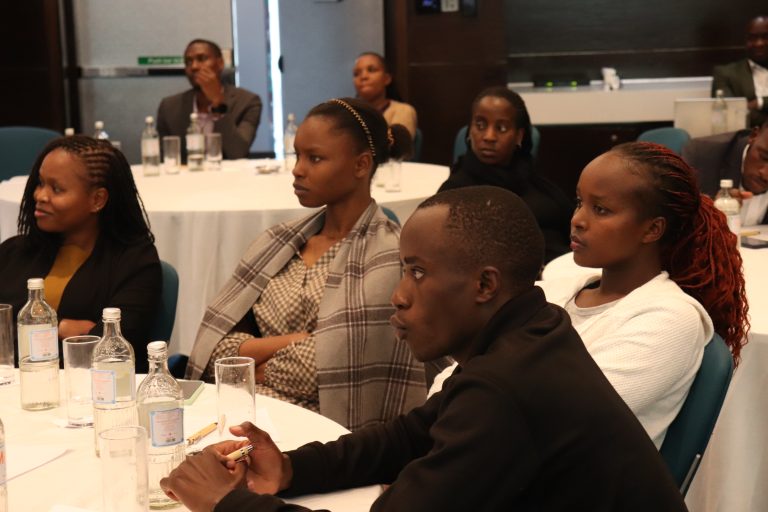
 Delegates following a presentation (8 of 16)‹›×
 Delegates listening during a session (9 of 16)‹›×
 Delegates at their table during a session (10 of 16)‹›×
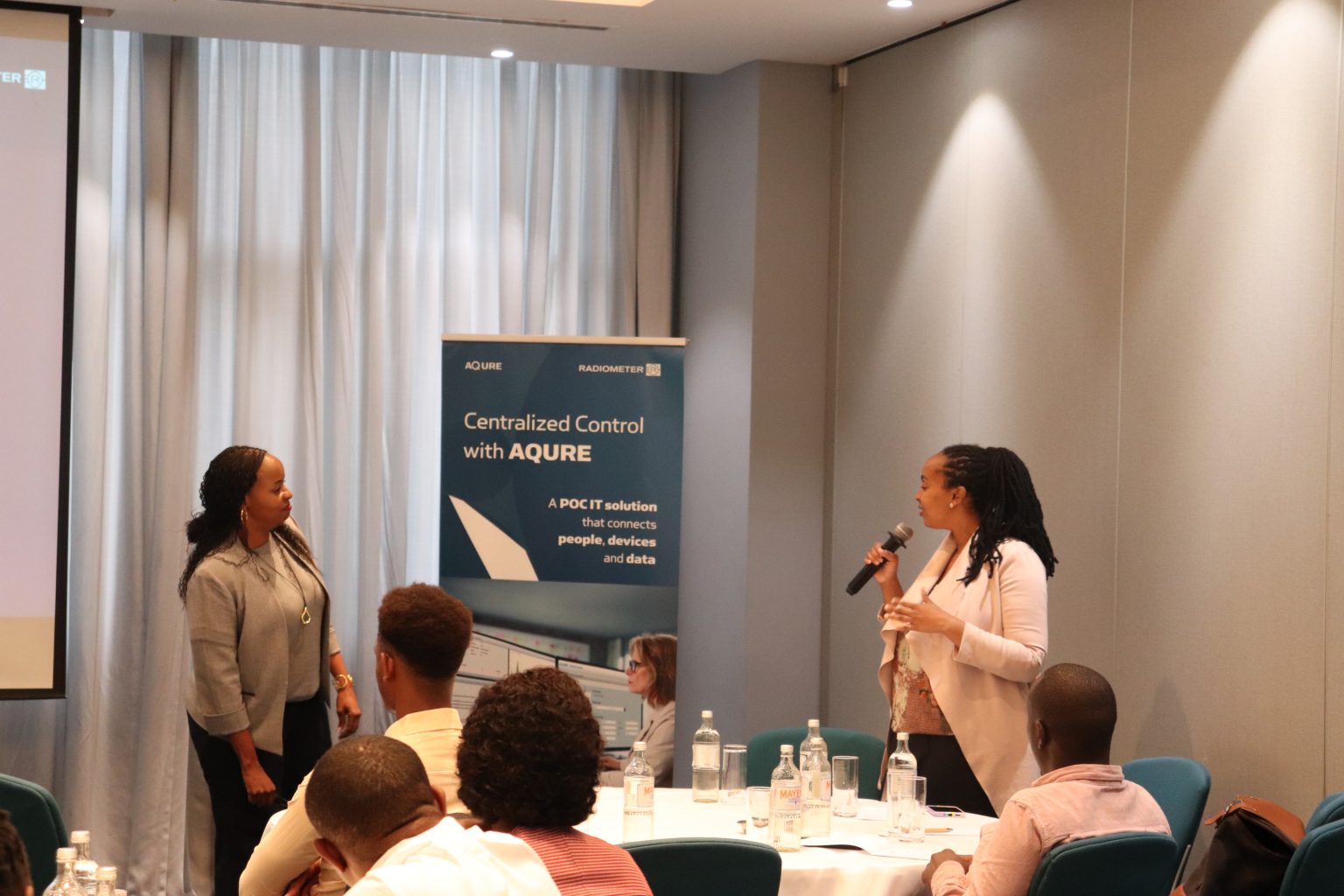 A delegate speaks during the question and answer session (11 of 16)‹›×
 Panellists in discussion beside the KACP banner (12 of 16)‹›×
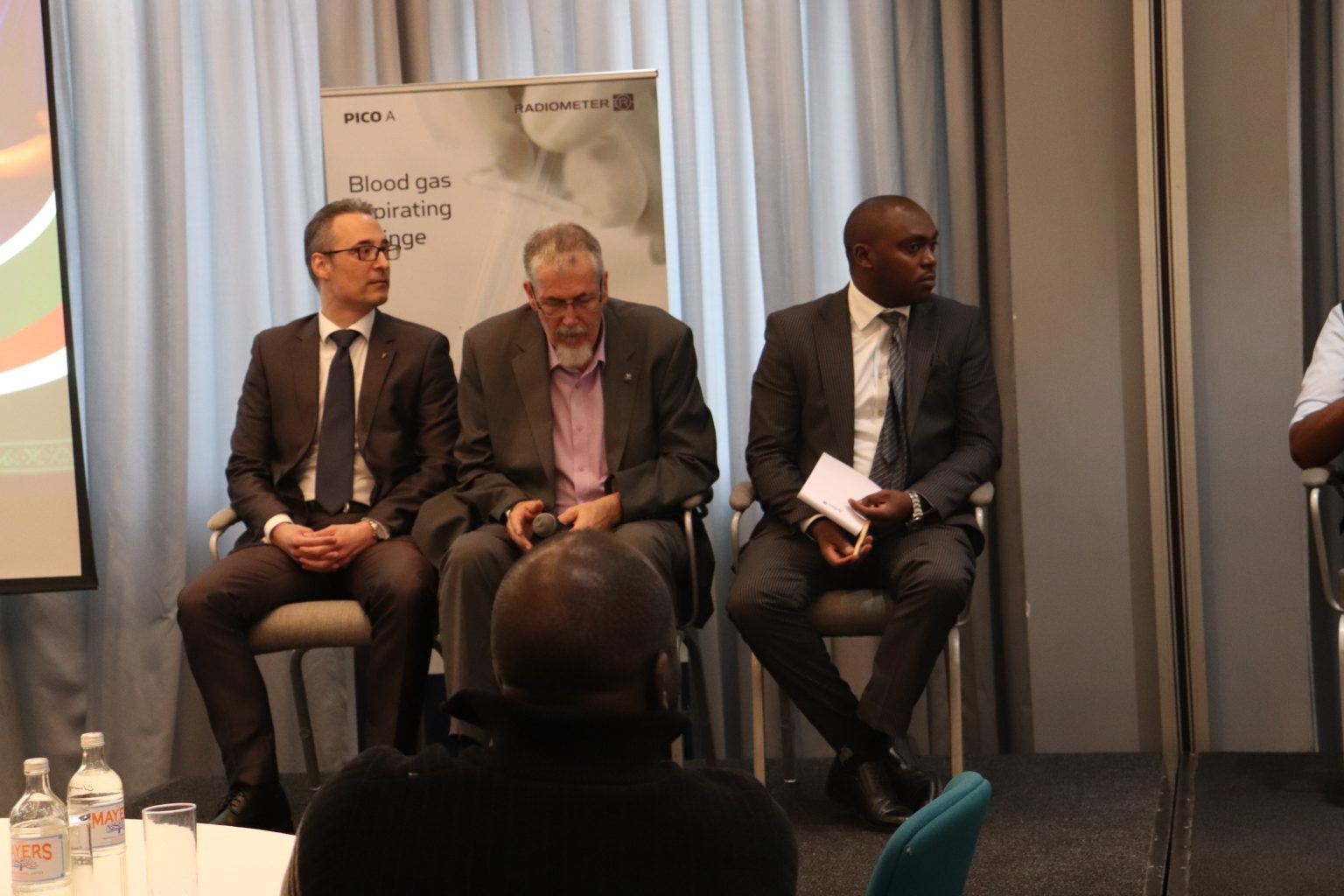 Panellists on stage during the expert panel (13 of 16)‹›×
 A delegate reads out a question from the floor (14 of 16)‹›×
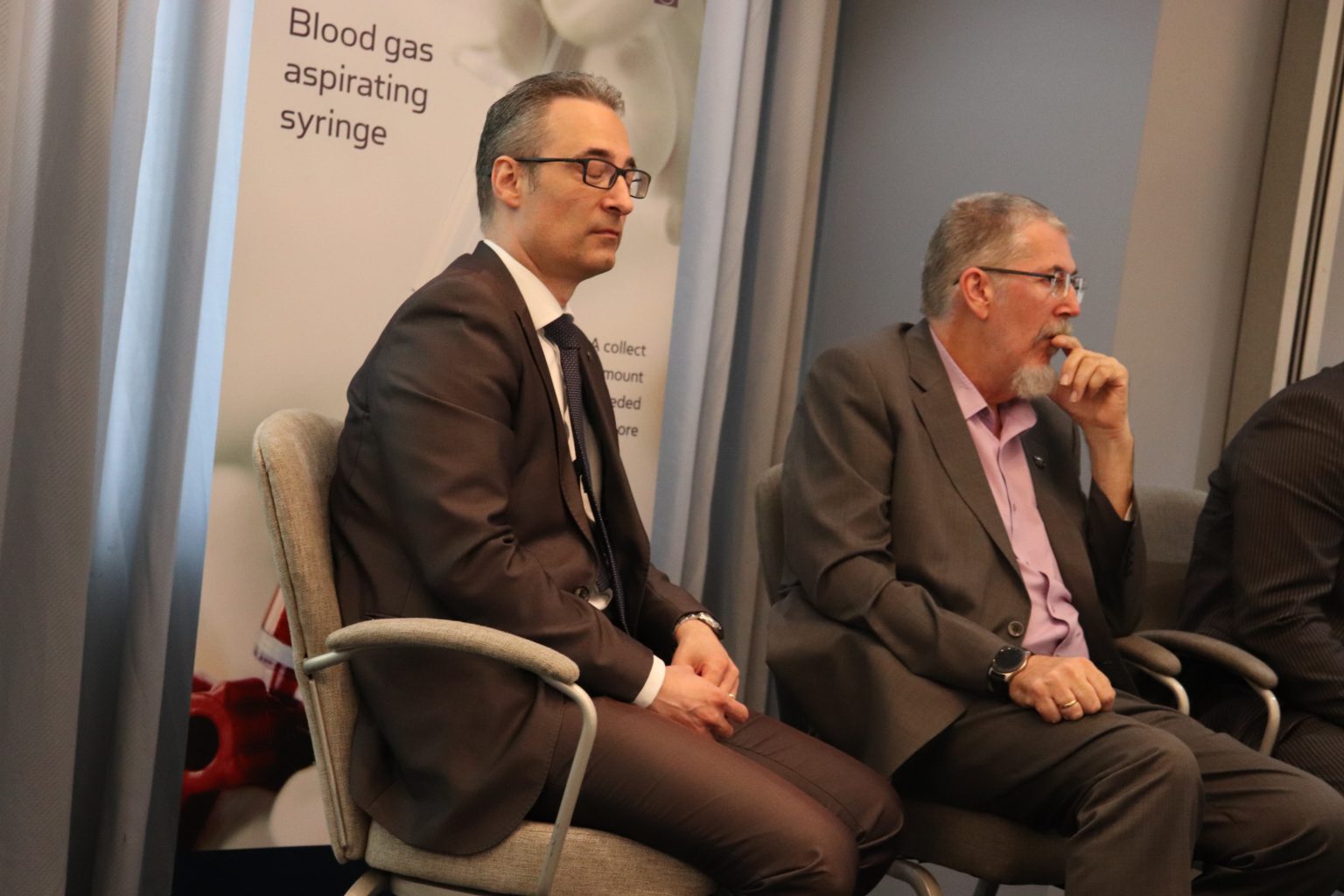 Two of the expert panellists listening to a question (15 of 16)‹›×
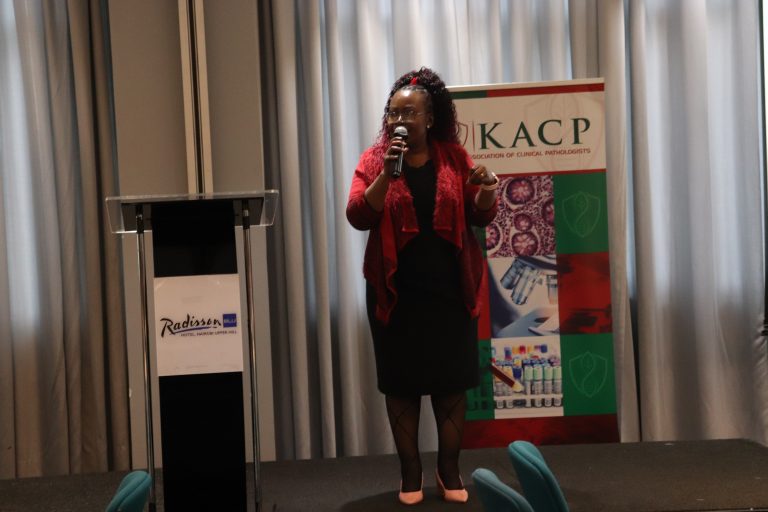
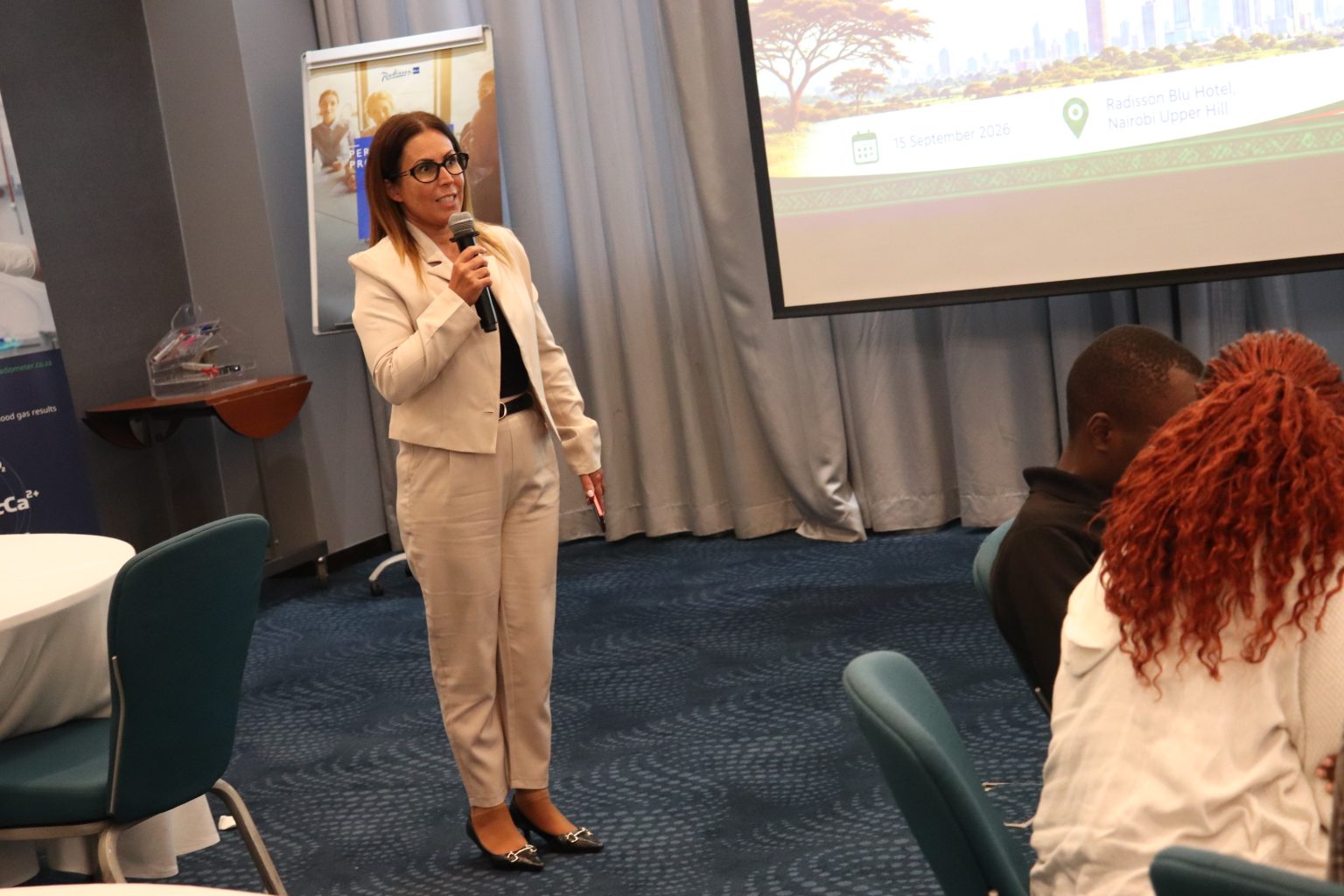 A speaker engages the room during her presentation (16 of 16)‹›×
Enquiries: +254 726 830 732 | info@kacp.co.ke
